The Problem with Sitting… You are not moving.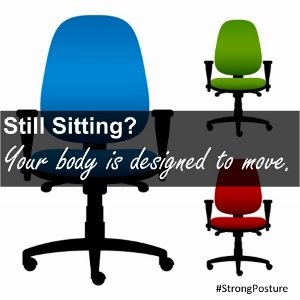
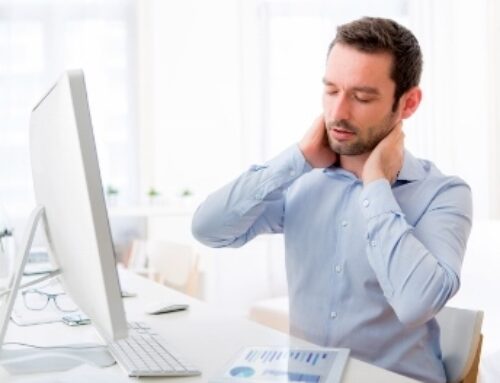
People’s bodies are designed to walk and move. Unfortunately, in the 21st century people spend much (if not most) of their lives sitting. We drive to work seated, to sit at a computer, then sit down to lunch, and sit to drive home and sit on the couch and read or watch TV. And, none of these activities occur in an ergonomically optimized posture environment.
The result is a body conditioned to sitting and back pain. Many people spend the majority of their life sitting with their torso folded and not moving.
Sitting uses some muscles too much and some too little. The overused muscles become too tight, the underused ones too weak, and the joints become stiff from inactivity. Years of inactivity result in the weakening of the body, and balance gets worse. The impact of prolonged sitting extends beyond just physical discomfort. Research has shown that extended periods of sedentary behavior can lead to increased risks of cardiovascular disease, type 2 diabetes, and other diseases. Moreover, sitting for long durations can negatively affect mental health, contributing to increased anxiety and depression. This ‘sitting disease’ phenomenon highlights the urgent need for a paradigm shift in how we approach our daily activities and work environments.
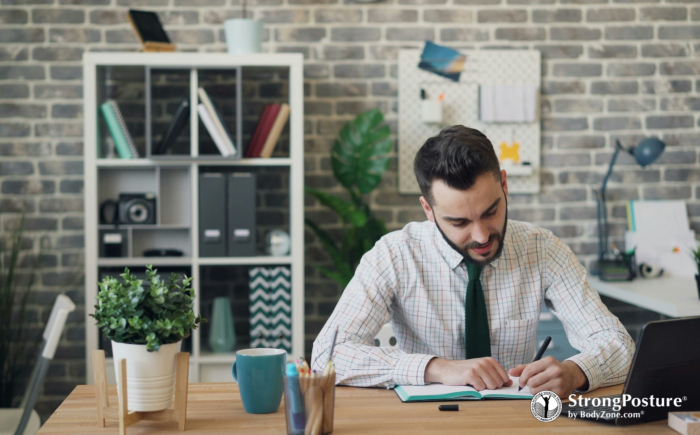
If you don’t move your body fully and symmetrically in your daily life, over time things adapt and change. Muscles atrophy, joints stiffen and develop arthritis, discs degenerate, and you become and feel old.
StrongPosture® exercises train you to move the body with conscious control, in ways you may not usually move, so you can then incorporate previously forgotten motions into your daily life. Adding StrongPosture® exercise to your regular exercise program is a smart way to keep your body moving well as you age.
Combating the negative effects of a sedentary lifestyle requires a multifaceted approach. While regular exercise is crucial, it’s equally important to incorporate movement throughout the day. Simple strategies like standing desks, walking meetings, and setting reminders to move every hour can make a significant difference. Additionally, practices such as yoga, Pilates, and tai chi can help improve posture, flexibility, and body awareness, complementing the benefits of StrongPosture® exercises. By prioritizing movement and postural awareness in our daily routines, we can mitigate the risks associated with prolonged sitting and promote overall health and longevity.
The health risks of sitting was highlighted on this AARP interview with health expert Steven Weiniger.